

As many of you may already be aware, not all Spray Paints are equal, their are many types for different applications here we discuss working with 2K paint in general and 2K paints that use chemical hardeners to cure the paint in particular.
When working with 2K chemical hardeners that go into paint whether within an aerosol or paint tin you need to be aware of the extensive health risks associated with working with an isocyanate-based paint.
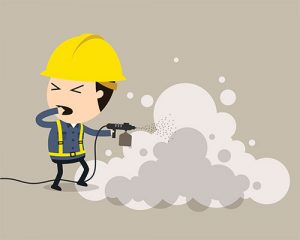 Most automotive and building trades use 2K paint which, if using an isocyanate version, increases the probability of developing asthma by a multiple of 90. Also, the Health and Safety Executive (HSE) reports that every year around 50 sprayers are diagnosed with isocyanate asthma and most have to leave the industry. Even at very low exposure levels, attacks can still be triggered. Other illnesses are reported to have been caused directly from isocyanate-based paints such as Dermatitis, and even Cancer in some extreme cases.
Now of course, you as a user may be thinking “Well, I’m ok, I have been regularly tested for isocyanate levels and I used the right equipment”, or “I can work in a booth so the air is kept clean” or “The biggest issue is through the skin and I protect myself”, etc. However we would point out that just because nothing has happened yet, it doesn’t necessarily mean that nothing will happen in future. It’s certainly something to keep in mind.
It is essential to wear the right equipment – only an air-fed breathing apparatus is suitable for high pressure spraying with isocyanate paints, the common filter masks are not acceptable. If you are using 2K aerosols then you require at least an A1/P3 respirator. Many sprayers remove their masks after spraying, believing it to be safe, but the air still contains large amounts of mist which is invisible to the eyes but not the lungs.
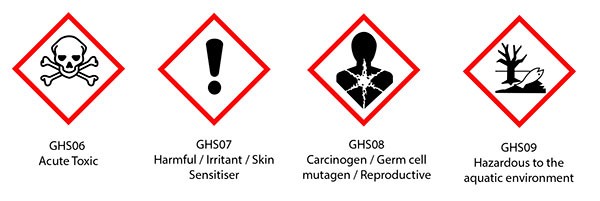
If you’re doing touch up work with a 2K Aerosol with isocyanate-hardener, then you should at least wear the air filters mask (A1/P3) and eye protection along with gloves and overalls.
More often than not with modern spray booths there is good filtration system, so a lot of people believe that all the air is filtered. Whilst a lot of the air is filtered, most spray booths take around 5 minutes or more to clear, so it is essential you keep your apparatus on for a while after spraying. Spray rooms are generally much slower to clear all air – at least an hour or more. It is important to note that the levels of isocyanate in spray have measured up to 300 times the workplace exposure limit.
1 in 10 people who get asthma from isocyanates in body shops are not sprayers.
When it comes to spraying outside on buildings, whether carrying out touch up work such as making sure screws or connectors match the colour of the substrate panels, it is still crucial to understand the associated risks of isocyanates. Many people carrying out this kind of touch up work will use Aerosols to do the job, and even though it would appear less of a risk spraying outside, in fact, large quantities of paint mist are spread in seconds of activation, endangering the health of anyone – both human and animal – in the local vicinity. It is vital to understand that spraying outdoors doesn’t necessarily mean you’re safer. It just means that the user won’t be able to spot the risks so easily.
Is there an alternative?
Yes, we’re glad you asked! Isocyanate is a type of hardener used to cure the 2K or 2-pack paint. Most do not question the old system; people do not know the harm isocyanates cause to them and those around. However, the alternative is quite simple – a non-isocyanates hardener used to cure 2K paint is just as effective, with all the benefits and none of the health risks associated with isocyanates.
We are one of the first custom filled spray paint providers to offer the non-isocyanate-based hardener in all of our 2K paints. We call it 2K ADC or Air Dry Converted, which is the alternative to the old system and only available effectively in aerosol format.
We challenge anyone to find any difference in the result, we bet you won’t! The only difference is that your body will thank you for the change.
2K Paint is the same, just the process of curing the paint is different, chemical hardeners guarantee that the paint is fully cured within 6-8 hours, and once started all the paint is cured in that time, which is why in the industry 2K aerosols are often called ‘single use cans’. If you add a 2K hardener to 2K paint it will fully inside 6-8 hours which is why they are sold separately and this 2 part system became known as 2pac system or 2K paint.
For more detail on 1K/2K paints take a look at this article:
< What is the difference between 1K and 2K Paint >
If you do work with 2K Paints:
Here is a more detailed explanation of how to work with 2K paints whilst prioritising safety.
Safety Precautions:
Personal Protective Equipment (PPE):
- Respirator Mask: Use a respirator mask specifically designed for chemical fumes (Min. A1/P3 Painting Mask)to protect your lungs from inhaling harmful vapors.
- Gloves: Wear chemical-resistant gloves to prevent direct contact with the paint and hardener.
- Safety Goggles: Protect your eyes from splashes and fumes by wearing safety goggles.
- Protective Clothing: Wear suitable work clothing that covers your skin to minimize skin contact.
Ventilation:
- Work in a well-ventilated area or use a properly functioning spray booth with adequate air exchange to prevent the buildup of fumes.
- If working outdoors, consider wind direction to avoid inhaling or coming into contact with fumes.
Mixing and Application:
- Follow the manufacturer’s instructions for mixing the base paint and hardener. Accurate measurements are crucial to ensure proper chemical reactions.
- When mixing, do so in a well-ventilated area or in a dedicated mixing booth.
Spraying:
- Use a high-quality 2K aerosols or spray gun designed for automotive paints to achieve even and controlled application.
- Maintain the recommended distance between the spray gun and the surface for proper coverage.
- Apply multiple thin coats, allowing each coat to dry before applying the next.
Curing:
- Allow the painted surface to cure according to the manufacturer’s recommendations. This may involve air drying or controlled baking in a curing booth.
Disposal:
- Dispose of any leftover paint, hardener, or cleaning materials according to local regulations. These materials are often considered hazardous waste and must be handled properly.
Emergency Preparedness:
- Have a clear understanding of emergency procedures in case of accidental exposure, inhalation, or other safety incidents.
- Keep a first aid kit on hand and ensure that all workers are familiar with its contents and usage.
Training:
- Properly train all personnel who will be working with 2K paints on the safe handling, mixing, application, and disposal procedures.
Remember, the safety of yourself and those around you is paramount when working with hazardous materials like 2K paints. Always prioritise proper safety measures and follow the manufacturer’s guidelines for handling and application. If you’re unsure about any aspect of working with 2K paints, it’s a good idea to seek guidance from experienced professionals or experts in the automotive painting industry.


